



Energy Resource Management
Energy Management
To effectively manage internal energy usage and increase energy efficiency, ASEH is progressively implementing the ISO 50001 Energy Management System to meet its planned goal of achieving 100% certification. The PDCA (Plan-Do-Check-Act) management model is used to control energy costs and reduce unnecessary energy consumption. We have taken a proactive approach to inculcating an energy saving culture amongst our employees by conducting essential education annually, and holding events or competitions to sow the seeds of sustainable development to support our business growth.
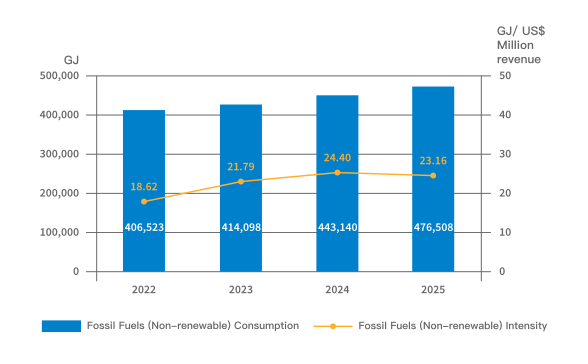
Fossil Fuels (Non-renewable) Consumption and Intensity
Electricity Consumption and Intensity

Renewable Electricity


Energy Saving and Carbon Reduction Projects
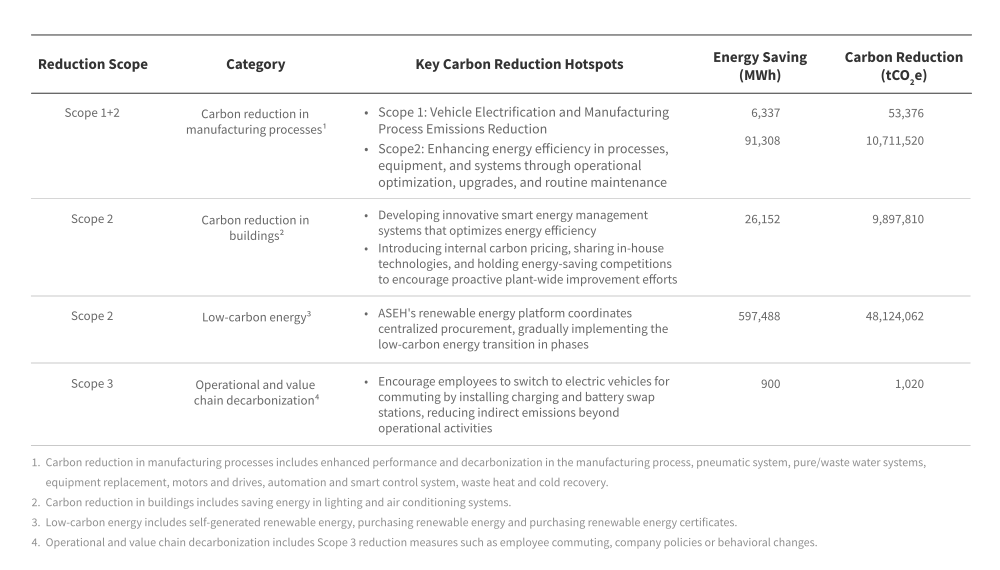
ASEH adopts 4 key approaches in its carbon reduction management; carbon reduction in manufacturing processes, carbon reduction in buildings, low-carbon energy development projects, and operational and value chain decarbonization. In 2025, we invested a total of approximately US$69 million on 1,422 projects, resulting in energy savings of 4,919,620 GJ and emission reductions of 722,184 tCO₂e.
Other topics
Other topics
