



Sustainability in Action, Powering Progress Together
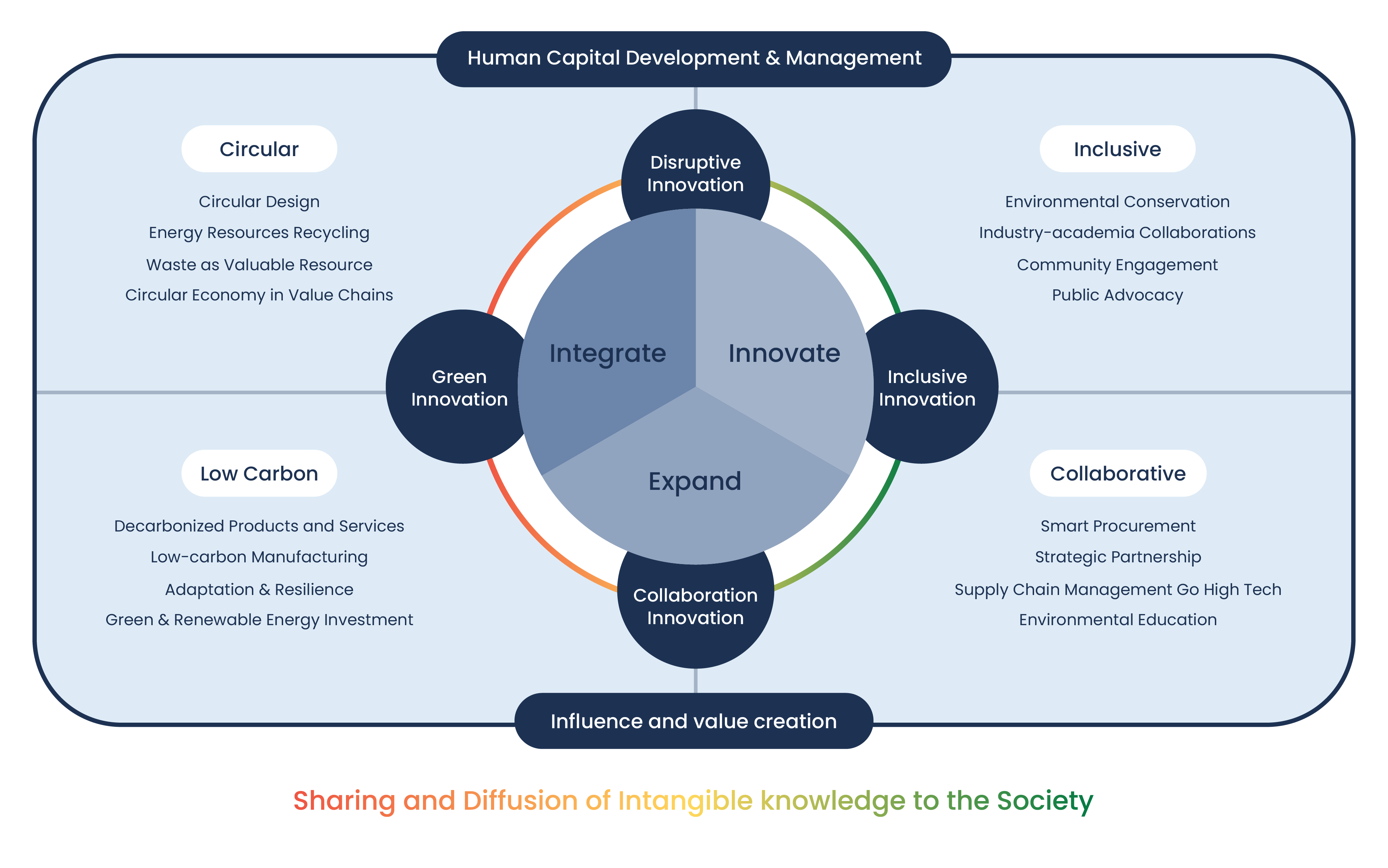
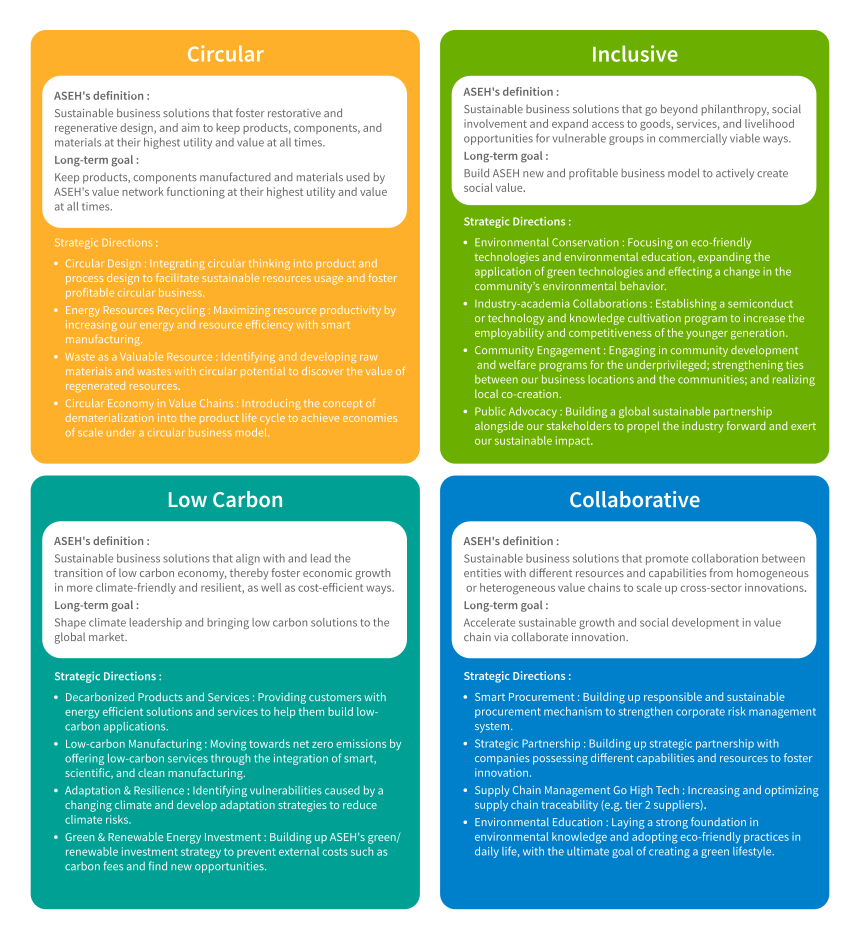
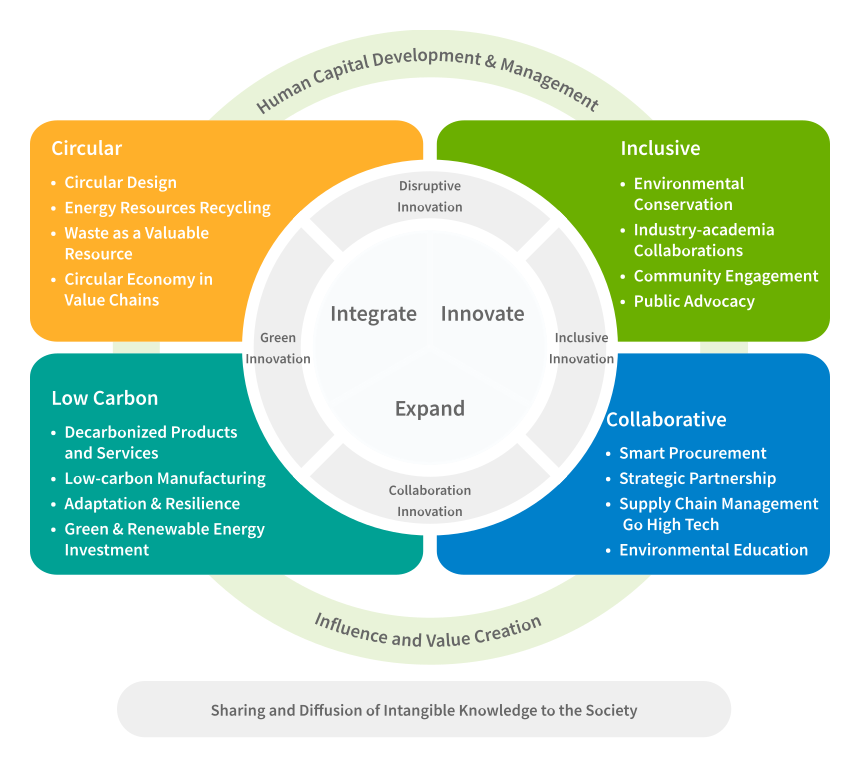
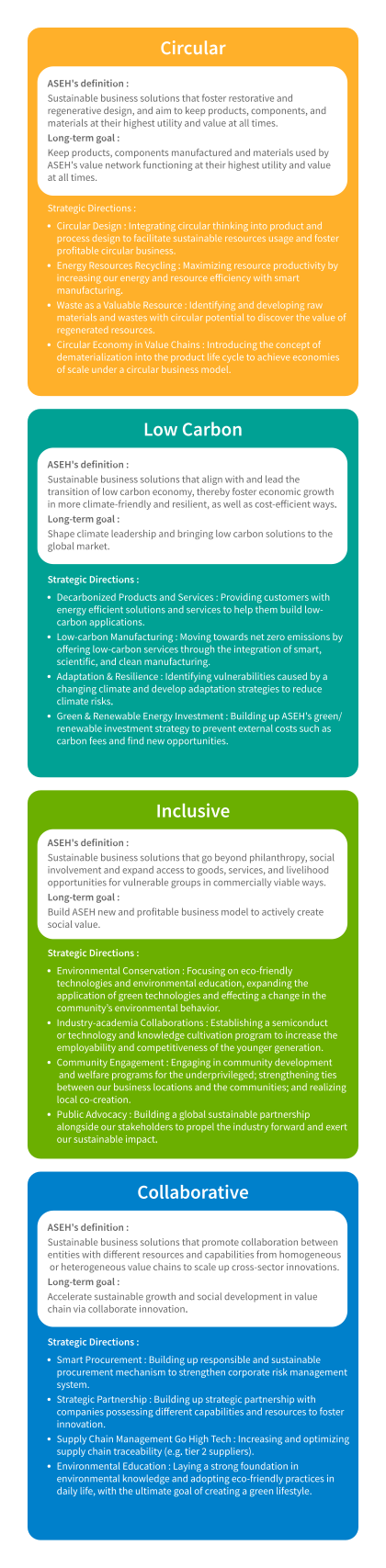
Strategy-setting is the key to achieving long-term sustainability targets that tackle global climate challenges, uncertainties in the energy supply, and risks related to supply shortages of water, raw materials and other resources faced by businesses. To that end, ASEH has established four strategic sustainability pillars: Low Carbon, Circular,Inclusive and Collaborative, to help identify opportunities and growth drivers. We are committed to the creation of sustainable value and, to extending our strategic influence through external stakeholder communication and joint efforts with various interest groups to achieve a virtuous cycle of sustainability.
Other topics
Other topics
Occupational Health and Safety
Diverse Talents, United Excellence
Conflict Minerals Compliance
Corporate Policy for Sourcing Conflict Minerals
Information Security Management
Information Security Policy, Organization and Targets
Risk and Opportunity
Climate-related risks and opportunities
Community Engagement
Community Engagement
Biodiversity
Promote the well-being of human and safeguarding our planet
Environmental Conservation
Environmental Conservation
Organization & Structure
Fostering Organizational Excellence
Business Conduct and Ethics
Good corporate citizenship and social responsibility
Stakeholder Communication
Uniting Stakeholders for Impactful Change
Intellectual Property Management
Unlocking innovation and safeguarding excellence
Industry-Academia Collaborations
Industry-Academia Collaborations
SDGs & TIMM
Shaping Tomorrow's Value
Talent Cultivation and Development
Talent Cultivation and Development
Public Advocacy
Public Advocacy and Management Framework
Sustainable Manufacturing
Eco-Efficiency Through Sustainable Manufacturing
Talent Attraction and Retention
Talent Recruitment
Diversity in Human Resources
Diverse Talents, United Excellence
Human Rights Management
Committed to Human Rights, Sustainability, and Responsibility
Water Resource Management
Water Risk Assessment
Sustainable Supply Chain Management
Supplier Sustainability Management Approach
Waste Management
Waste Generation and Recycling
Social Involvement
Stimulate positive social change
Regulatory Compliance
Compliance at the Core: Upholding Laws, Guiding Principles
Supply Chain Management Framework
Supply Chain Management Organization
Corporate Sustainability Policy
Pioneering Sustainability, Powering Tomorrow
Supplier Sustainability Awards
Supplier Sustainability Awards
Smart Factories and Automation
Higher customer satisfaction in quality and delivery
Succession Planning
Risk Management Policies and Procedures
Environmental Management System
Towards a Greener and Better Future
Climate Leadership
Transitioning towards Low-Carbon Resilience
